


Beat the Heat This Summer: Essential Tips for Enjoying Your Hiking Adventure
Summer hiking offers a wonderful chance to explore nature, breathe fresh air, and get some exercise. Yet, the rising temperatures can turn a pleasant hike into a challenging experience if you’re not prepared. Heat exhaustion, dehydration, and sunburn are real risks that can cut your adventure short. The good news is that with the right strategies, you can beat the heat and enjoy your hiking trips safely and comfortably. This guide shares practical tips to help you stay cool, hydrated, and energized on the trail this summer.

Start Early to Avoid Peak Heat
One of the simplest ways to avoid the worst heat is to begin your hike early in the day. Temperatures are usually coolest just after sunrise, making the early morning hours ideal for hiking. Starting early also means you can cover more ground before the sun climbs high and the heat intensifies.
Plan your hike to begin at or shortly after sunrise.
Check local sunrise times and trail opening hours.
Bring a headlamp or flashlight if you need to start before daylight.
Early starts often mean fewer crowds and a more peaceful experience.
By hiking early, you reduce your exposure to direct sunlight and lower your risk of heat-related problems.
Stay Hydrated Throughout Your Hike
Hydration is critical when hiking in hot weather. Your body loses water quickly through sweat, and failing to replace it can lead to dehydration, which causes fatigue, dizziness, and cramps.
Carry enough water for your entire hike. A good rule is to bring at least half a liter per hour of hiking.
Use a hydration pack or water bottles that are easy to access.
Sip water regularly instead of waiting until you feel thirsty.
Include electrolyte drinks or tablets to replenish minerals lost through sweat.
Electrolytes like sodium, potassium, and magnesium help maintain fluid balance and muscle function. Sports drinks or electrolyte powders mixed with water can be effective, especially on longer hikes.
Use a Cooling Towel for Instant Relief
A cooling towel is a lightweight, reusable towel designed to stay cool when wet. It can provide immediate relief from heat and help regulate your body temperature.
Soak the towel in cold water before your hike.
Drape it around your neck or over your head while resting.
Re-wet the towel as needed during your hike.
Cooling towels are compact and easy to carry in your pack. Grab a custom HikerBabes cooling towel today!
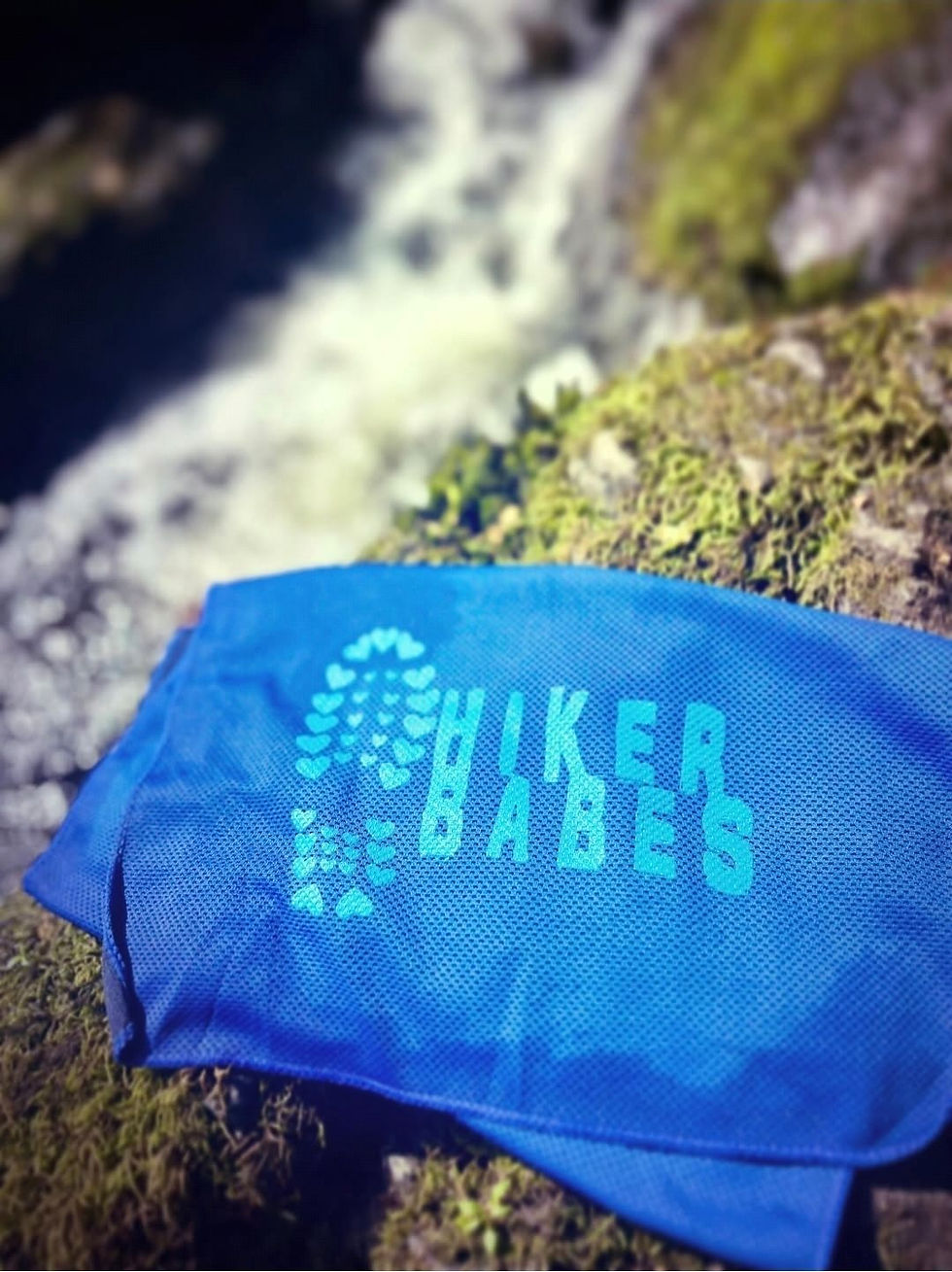
This simple tool can make a big difference in comfort, especially during breaks or when the sun is strongest.
Dress Smart for Summer Hiking
Choosing the right clothing helps protect you from the sun and keeps you cooler.
Wear lightweight, breathable fabrics like moisture-wicking polyester or nylon.
Opt for light colors that reflect sunlight rather than absorb it.
Use a wide-brimmed hat to shade your face, neck, and ears.
Sunglasses with UV protection shield your eyes.
Apply broad-spectrum sunscreen with at least SPF 30 on all exposed skin.
Avoid cotton clothing, which holds moisture and dries slowly, increasing discomfort and risk of chafing.
Plan Your Route with Shade and Water Sources
When selecting a trail, consider the availability of shade and water.
Trails through forests or near streams offer natural cooling.
Avoid exposed ridges or open fields during midday.
Research if the trail has reliable water sources for refills.
Shorter loops or out-and-back hikes allow you to turn back if heat becomes overwhelming.
Knowing your route helps you prepare better and avoid surprises on hot days.
Take Frequent Breaks in the Shade
Resting regularly helps your body cool down and prevents overheating.
Find shaded spots to sit and relax every 30 to 60 minutes.
Use breaks to drink water and eat light snacks.
Avoid sitting directly on hot rocks or ground, which can increase body temperature.
Use a lightweight camping chair or sit on a cooling towel if you carry one.
Listening to your body and taking breaks prevents heat stress and keeps your energy up.
Eat Light and Nutritious Snacks
Heavy meals can make you feel sluggish in the heat. Choose snacks that provide energy without weighing you down.
Pack fruits like oranges, watermelon, or grapes for hydration and vitamins.
Nuts and trail mix offer protein and healthy fats.
Energy bars with natural ingredients can be convenient.
Avoid salty or greasy foods that increase thirst.
Eating small amounts regularly helps maintain blood sugar and stamina.
Know the Signs of Heat-Related Illness
Recognizing symptoms early can prevent serious health issues.
Heat exhaustion signs include heavy sweating, weakness, headache, nausea, and dizziness.
Heat stroke is more severe, with confusion, rapid pulse, and loss of consciousness.
If you or a hiking partner experience these symptoms, stop hiking immediately.
Move to shade, drink water, and cool the body with wet cloths or cooling towels.
Seek medical help if symptoms worsen or do not improve quickly.
Being aware of these signs keeps you safe and prepared.
Use Technology to Monitor Conditions
Modern tools can help you stay informed and safe.
Weather apps provide real-time temperature and heat index updates.
GPS devices or smartphone apps track your location and distance.
Some fitness trackers monitor heart rate and hydration reminders.
Carry a portable phone charger to ensure your devices stay powered.
Technology adds an extra layer of security and planning support.
Adjust Your Hiking Pace
Pushing yourself too hard in the heat increases risk and discomfort.
Slow your pace to conserve energy and reduce sweating.
Walk steadily rather than rushing or sprinting.
Use trekking poles to reduce strain on legs and improve balance.
Listen to your body and rest if you feel tired or overheated.
A relaxed pace helps you enjoy the hike without overexertion.


Comments